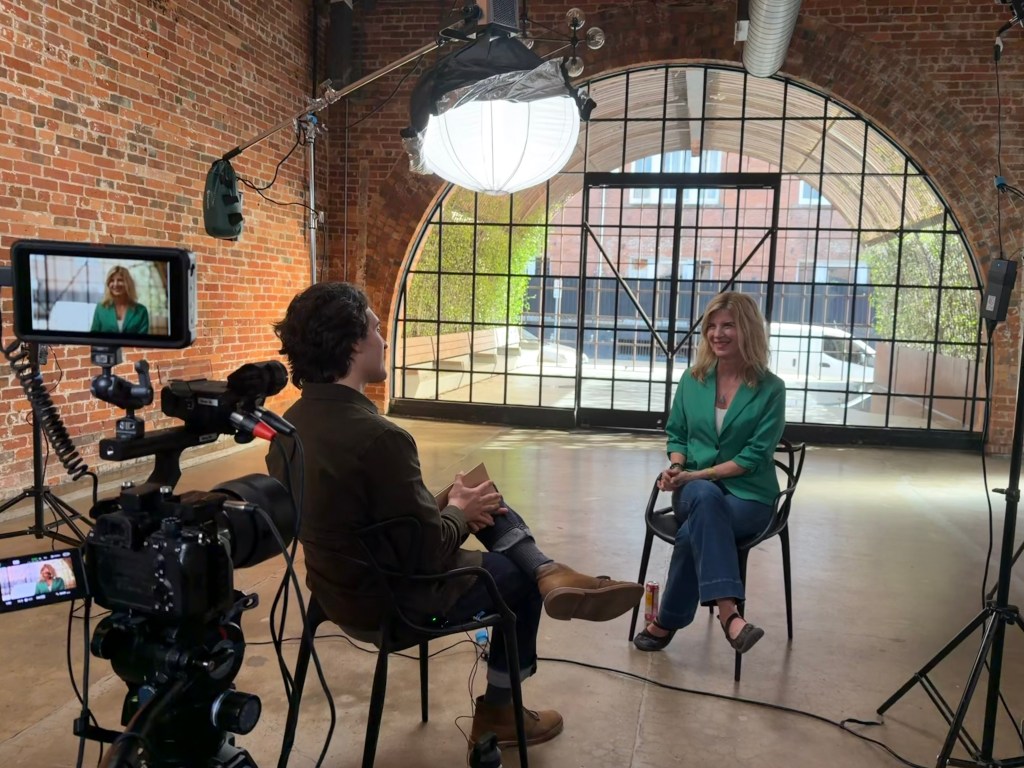
A friend and fellow NDEr Daniel Giroux (who I interviewed eight years ago) recently wrote to me about humanity moving into a new cycle of love.
He described more love entering the world in 2027 through people who consciously choose it.
One sentence stayed with me:
“Success is not in the numbers, instead it’s in the actions.”
I appreciate the hope in that. Love needs people who listen, protect, and repair. This type of work can be humble, silent, and often not seen on social media or anywhere other than directly in front of you.
And those people working to repair situations also need care themselves.
What is one act of love you’ve witnessed that deserves more attention?
That is the kind of news that I want to hear!
I’ve witnessed counselors at the college where I work spending more time than they are paid for listening to students who are in crisis. I’ve seen professors do the same. I’ve seen students helping other students who are struggling.
I’ve witnessed and helped people rescuing animals from the side of the road, and I’ve witnessed others volunteering their time and expertise without posting about it.
This is my direct world.
You don’t need a church to be holy and of service to this world.
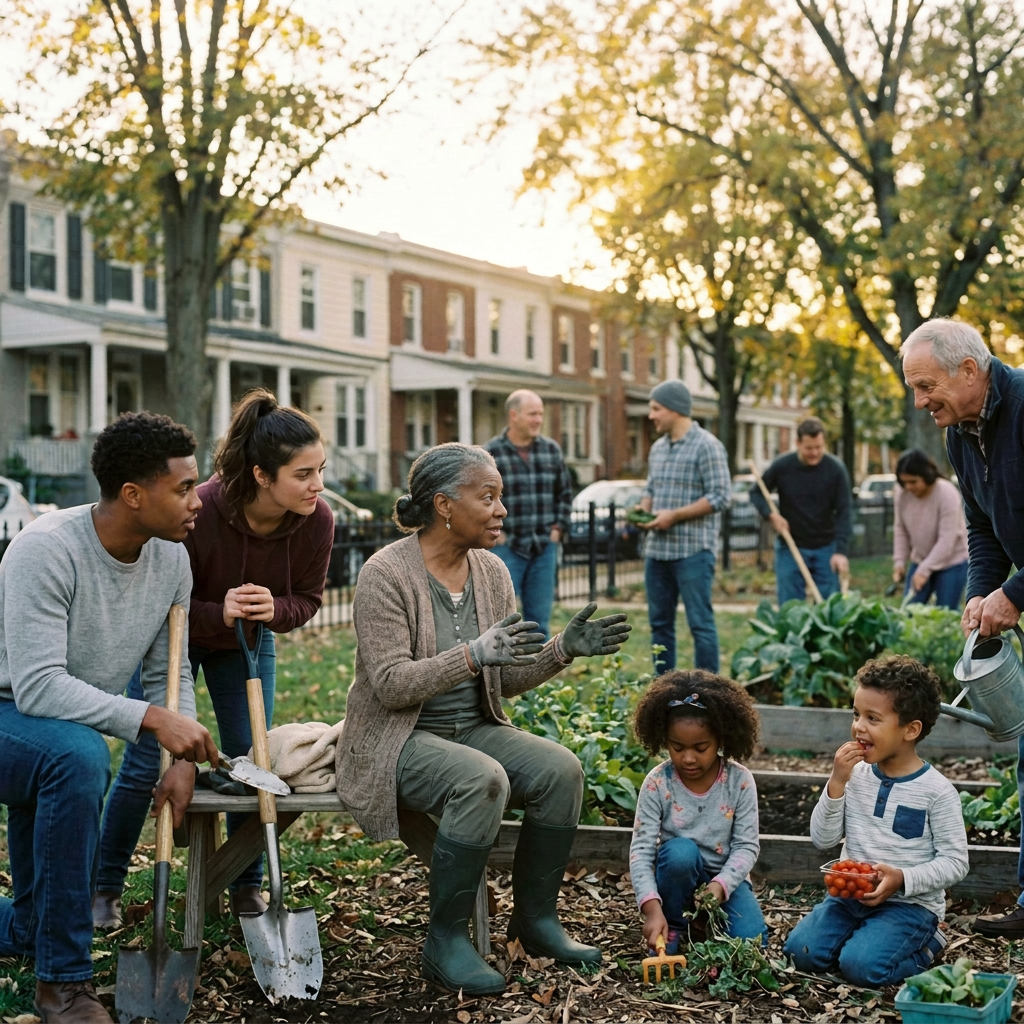
You can be of service through churches and organizations, but it isn’t a requirement. Many of my friends have told me stories about being a good neighbor and having good neighbors. I’ve watched a neighbor’s dog while he was out of town recently, and I know that people everywhere are doing small, kind, loving things for one another.
Here is a post from a website I follow called “Nice News” about the power of being a good neighbor.
My friend’s words about more love being birthed in the world in 2027 also brought two poems by Wisława Szymborska to mind.
In “The Century’s Decline,” she looks at the distance between humanity’s expectations for 2000 and what actually happened. Fear, hunger, war, and disregard for vulnerable people were supposed to give way to something better.
Near the end of the poem, someone asks her, “How should we live?”
She had wanted to ask the same question.
I love the honesty of that exchange. We can have profound spiritual experiences and still face difficult questions about how to live here, together.
In “The End and the Beginning,” Szymborska turns to the work that follows destruction and war. Someone has to clear the debris, repair homes, and rebuild the places where life can happen again.
The work takes years, and the cameras move on. Eventually, even the memory of what happened begins to fade.
These poems make me cautious about declaring that a calendar change will bring a more loving humanity, and I know that isn’t what my friend meant at all. My fellow NDEr simply meant that those of us who know better will start doing better and living our lives from a greater place of love and letting fear retire in the wings.
If we are able to make the conscious choice of love, we will be inspired along the way by others and divine help.
My near-death experience informs my understanding of love, and my daily life keeps asking me what I’ll do with that knowing.
I give because I know life is short and giving matters, but sometimes I am exhausted. Sometimes, I am tired of dealing with the egos of others and those who live from places of fear and scarcity. The people doing this work need protection and care themselves.
A loving community makes room for that, too.
I hope my friend is right that more of us will choose love. I see people making that choice already, often without recognition.
I want us to support them and share the responsibility.
“How should we live?” remains a question worth asking.
Our answers become visible in how we treat one another and in what we are willing to keep doing without attention and simply from a place of love.