I’m honored to be a part of a new documentary in production. Todd Hewey is the creator and producer of a documentary which offers one on one interviews and an animated version of each of our near-death experiences. These visuals allow us to tell our stories in brave, authentic ways. The production team is currently seeking funding to complete the episodes. If you feel moved to donate, please do so.
About the NDE Files

Survey Professionals around the world say the top five most trusted professions in the world are Doctors, Nurses, Scientists, Teachers and First Responders. Join us as we examine how these trusted individuals dealt with the single most traumatic event that changed their lives forever…their own deaths. This is their story of Life Beyond Death from the NDE Files.
This new series about Near Death Experiences uses artist renditions and animations to dramatically demonstrate each NDE in ways never seen before in a television program.
Episodes
Episode 1 – Dr. Mary Neal
Dr. Mary Neal was an Orthopedic Spinal Surgeon and an experienced whitewater kayaker when she drowned in 1999 on the Fuy River in Chile.
Episode 2 – Professor Tricia Barker
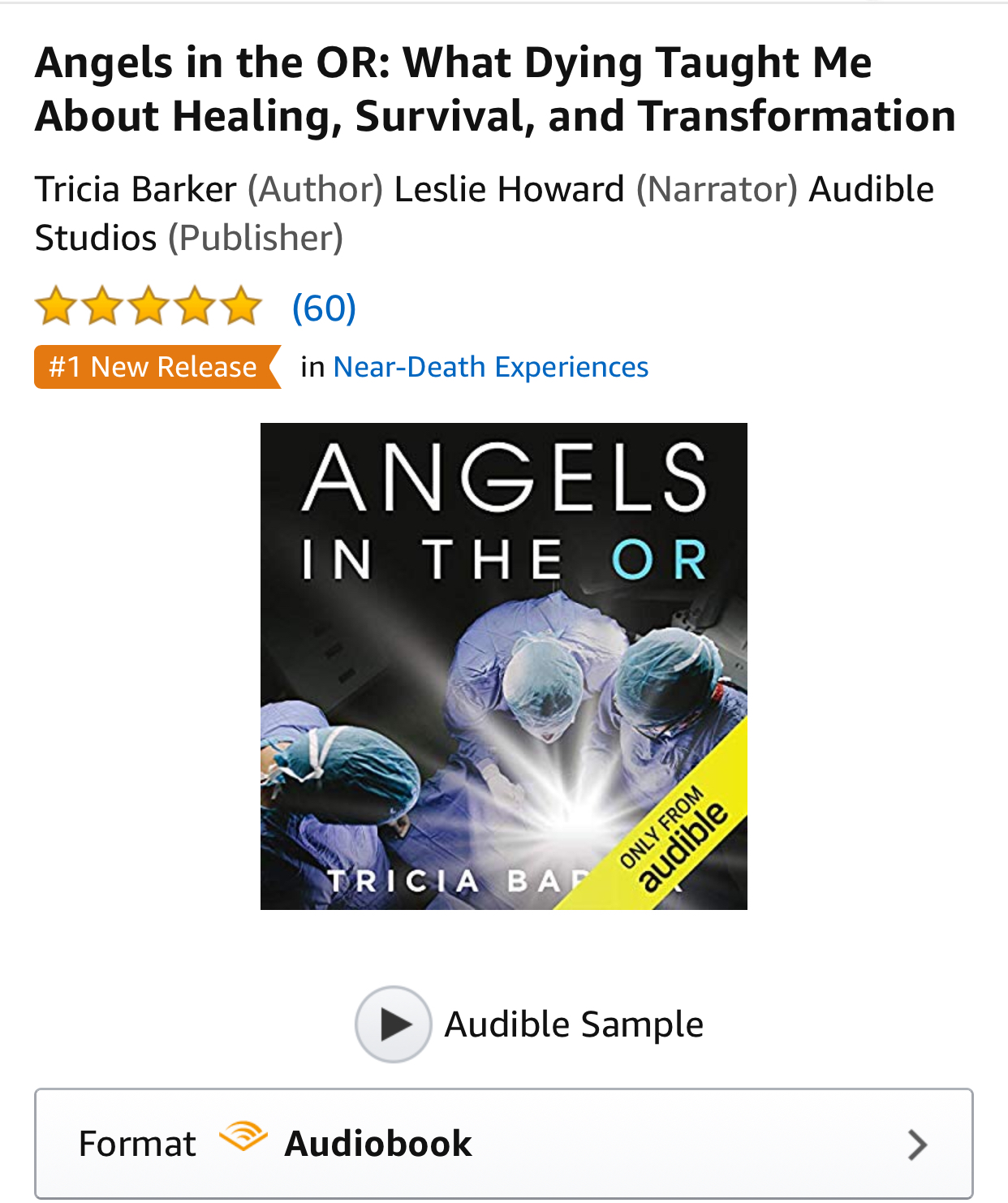
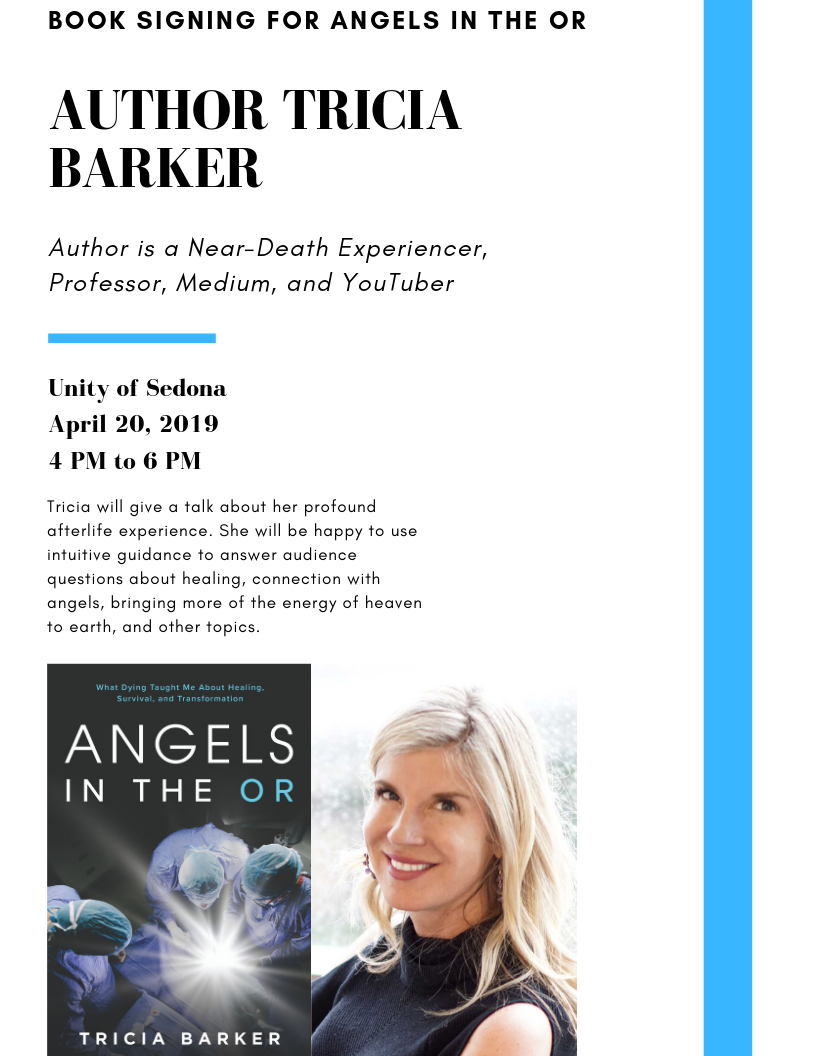
Professor Tricia Barker died while undergoing a critical operation from a severe car accident. She observed Healing Angels working through the surgeons as they tried to save her life. (Currently In-Production)
Episode 3 – Eben Alexander III, MD
Eben Alexander III, MD served as an Academic Neurosurgeon for over 25 years, including 15 years at Boston Brigham and…
Episode 4 – Professor/Pastor Howard Storm
Professor Howard Storm was an Atheist, Artist, Professor and Chairman of the Art Department for Northern Kentucky University, when in 1985 he died at a hospital in Paris France.
Todd Hewey – Producer of the Life Beyond Todd Hewey is the Creator and Producer of the television this dynamic, emotionally charged, animated anthology about highly educated and scientifically minded individuals who have had extraordinary Near Death Experiences that dramatically changed their lives forever.
Enjoy the teaser trailers for Epsiode-1, Epsiode-3 and Episode-4. You can also watch the more-detailed 16-minute “Torch” video that comprises sections from all three completed episodes.
If you would like to see more from the director, here is his talk at IANDS with Mary Neal.
I can’t tell you how blessed I feel to be a part of this production. Todd Hewey and his fabulous team has a way of capturing our stories in a deeply meaningful way. I admire the conviction he feels that near-death experience stories bring more people into communion with the love of God. Our stories are deeply personal, and our lives have been forever changed by these moments in the afterlife. Todd Hewey understands the complexities we each have faced in coming back with our messages, and he honors our stories in beautiful and true ways. I have told my story many times on many different platforms, but there is something special about this production. I do hope you will support his team in their efforts to spread our stories in a creative, wise, and authentic way.










 Tricia Barker