This is the introduction to a book I am working on to help college students stay focused on their dreams for themselves and their communities.
Introduction: Don’t Give Up
“Resilience is a muscle. Flex it enough and it will take less effort to get over emotional punches each time.”– Alecia Moore (Pink)
If there is one piece of advice that I can give to college students, it is to learn to practice deep gratitude for your life and to not care too much about failure.
Don’t let a momentary failure define you because anyone who has reached a major goal will tell you stories about paying their dues, receiving rejections, being mocked for their ideas, and encountering jealousy or even betrayal from those closest to them. Many inspiring people have faced injustice, setbacks, and deep moments of despair, but they found the inner strength to persevere.
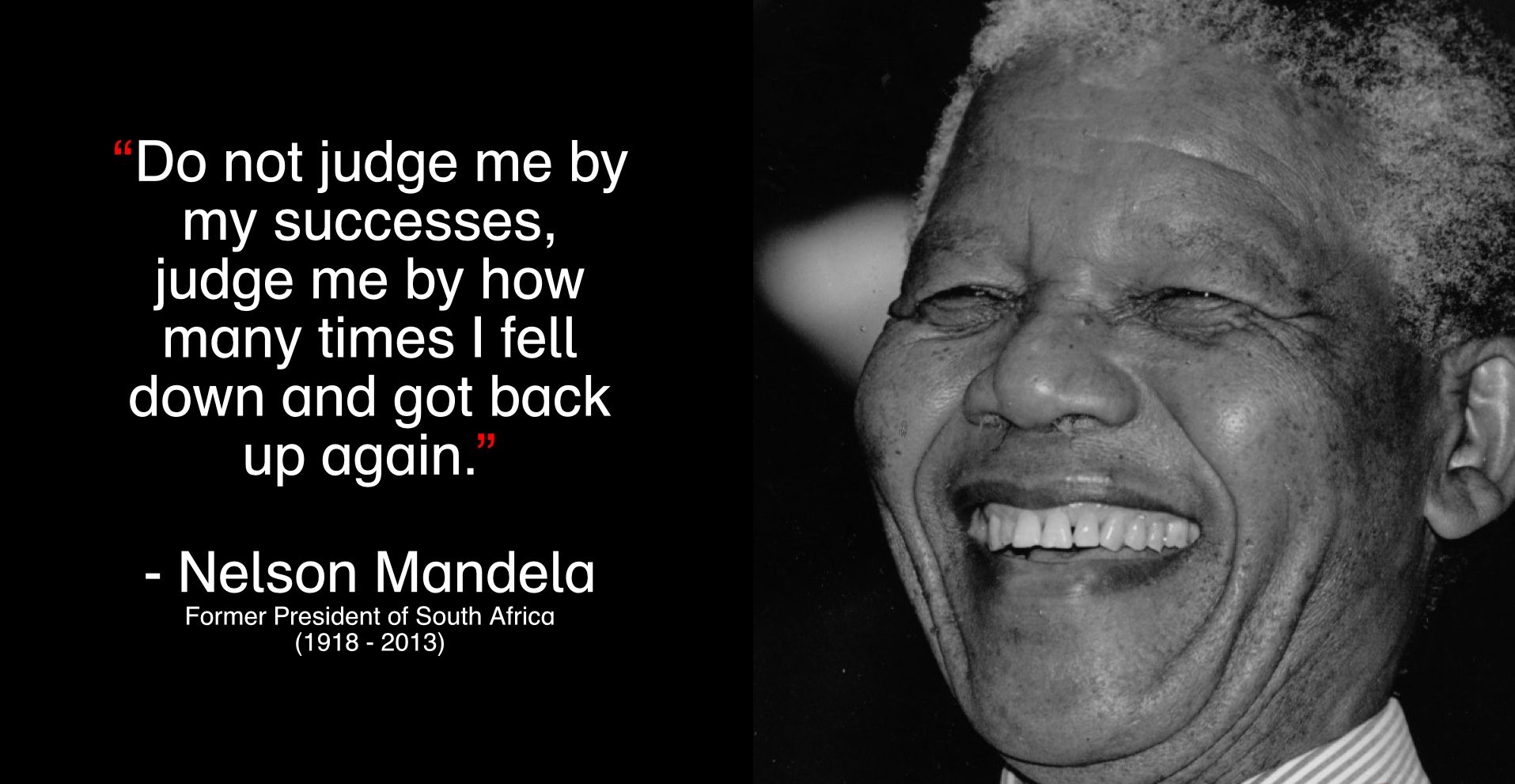
One of my favorite quotes about resilience comes from Nelson Mandela.
“Do not judge me by my successes, judge me by how many times I fell down and got back up again.”
Setbacks and failures are often part of the process of eventual success. No matter what happens, access your strength, even if you have to sit on the floor and cry or go outside and scream.
Don’t turn back, and don’t quit.
Keep moving in the direction of your dreams.
As Gary John Bishop puts it, “You change your life by doing, not by thinking about doing.”
I’ve been humbled more times than I can count, and I know pain intimately: deep physical, emotional, and psychological pain. I write openly about these struggles in my memoir Angels in the OR: What Dying Taught Me About Healing, Survival and Transformation. However, I also know that if I can transcend pain and face tough odds, then you can as well.
Carl Jung, founder of analytic psychology, tells us that “We are not what happened to us, we are what we wish to become.”
There is always a choice to become the best version of yourself.
As I was writing this book to support and motivate college students, our beautiful community college switched all face-to-face classes to online classes in one week because of the Covid-19 pandemic.
Most of my students are finishing their classes despite their dismay at this sudden change. Many students are adjusting to online classes with ease, but some are struggling with procrastination, motivation, depression, or anxiety. Luckily, counselors are providing sessions online, and tutoring services have worked diligently to connect with students virtually. I always encourage students to reach out for support instead of struggling alone.
I am grateful for video conferencing capabilities, and it is a joy to see my students’ faces these past weeks. I have been reminding them that now, more than ever, resilience and creativity are crucial skills for navigating challenging times.
Community is also important. Community helps us prosper and feel supported, even if this community is online. Several of my students have told me that they are grateful to have classes to focus on because their friends who aren’t in college and are unemployed are struggling. For the most part, my students are staying on track with their goals, and they are witnessing firsthand which careers are more flexible and necessary during shifting times in society.
I am proud of their resilience.
They are not giving up on their dreams, but they are willing to adjust and look for inspiration no matter how the journey unfolds.
My overall message to students is a simple one:
Don’t give up for any reason.
Don’t give up on college if you fail a couple of classes. Retake them. Don’t give up if you face a physical illness or the grief of losing a loved one. Your loved ones would want you to succeed.
Don’t give up if you go through a difficult break-up. Even if the love of your life, who you believed was the answer to your prayers, destroys your relationship and treats you horribly, know that someday you will be wiser and see interpersonal cruelty as immaturity. In the future, you will know yourself as kind and honorable. Committing to your growth as an individual will help you resonate with healthier people.
Don’t give up on college because of a mental health issue. Find a free support group if you don’t have health insurance. Know that there are others who have walked through similar situations, and they can help you. Most colleges offer free counseling sessions, and there are countless support groups available free of charge. A couple of examples include Adult Children of Dysfunctional Parents and SMART Recovery which allows you to focus on healing any type of addiction, including technology addition.
Don’t give up because you have lived through childhood abuse. Learn to retrain your brain and embrace all that you can learn about creating a better life than you had as a child. This takes years of therapy and dedicated work, but it is worth it.
You might change and grow beyond your parents’ world views, and this might change your relationship with your family members.
Do it anyway.
Learn to communicate differently, learn to parent yourself, and search out mentors who can help you create the life you want for yourself.
Also, know that the pain of your past has nothing to do with your worth as a person.
On the other hand, if you are the type of person who is highly empathetic and often taken advantage of by others, realize that deep empathy without personal boundaries is self-destructive. Learn about boundaries. Read books, seek counseling if needed, and protect your emotional wellbeing.
Be an explorer in the realm of what is new.
Understand the basic needs of the human spirit and get plenty of relaxation, time in nature, and support. Learn to nourish yourselves. Invest in your health in ways that are simple and affordable. Exercise, play, take daily walks, meditate for at least 10 minutes a day, drink plenty of water, and eat as many whole fruits and vegetables as possible.
Think about the ancient ways of being healthy, and don’t forget these truths.
When faced with a complicated problem, look for simple, common-sense solutions and begin there. Even if you have compounding, stressful life issues, know that greater healing is always possible.
Education often points in the direction of healing and greater success.
Volunteer to help others because this will help you get “out of your head” and “into action,” which generally will make you feel better. Service learning and volunteering not only look great on your resume, but service also teaches you how to understand the journey of others.
Empathy is an important life skill that can be strengthened when you take the time to see what life looks and feels like from the perspective of another person.
Leslie Jamison, author of The Empathy Exams, writes that “Empathy suggests you enter another person’s pain as you’d enter another country, through immigration and customs, border crossing by way of query: What grows where you are? What are the laws? What animals graze there?”
When you help another student succeed by taking the time to share information or offer support, you are becoming a successful, empathetic leader. Good leaders want success for everyone around them.
Being part of a community is one of the quickest ways to deepen your understanding of why you are here and to move closer to your purpose.
Education is a great place to learn the skills that can help you restore greater peace, understanding, and unity not just in your own life but also in society. In most fields, you can imagine a future focused on solutions and healing.
You become an inspiring leader when you focus on the solution, not the problem.
Don’t give up because of injustice. Education has traditionally been a place where new ideas are formed about how to make society safer and more equitable for everyone. Consider the work of Bryan Stevenson and read his book Just Mercy. Stevenson is considered one of the most inspiring and influential people working for greater legal justice and mercy in the United States.
While in college, part of your growth is learning how to make rational decisions for your future. Seek out those who can point out a path that you can’t see in the moment. Reach out to your professors, academic advisers, and others who are there to help you.
Realize that many of us are somewhat addicted to technology, and this has a negative effect on our emotional and intellectual capabilities. Technology can be a force of great creativity and connection, but it can also waste precious time and hamper our ability to emotionally connect with those closest to us.
To achieve goals, you will have to limit the time you spend on entertainment and socialization online. Consider reading the book Alone Together by MIT professor Sherry Turkle, who talks about how technology has changed the landscape of families, education, and communities.
Perhaps difficult times can remind us how little we need, how much we already have, and the deep value of human connection.
Turkle writes, “Every time you check your phone in company, what you gain is a hit of stimulation, a neurochemical shot, and what you lose is what a friend, teacher, or colleague is actually trying to tell you.”
I would add that every time you are kind to someone new, truly listen to someone, or offer encouragement, you are expanding your understanding of others and the world around you. You are giving another person energy to succeed.
Small acts of kindness ease depression and disconnection over time.
I know you would like for your life to go smoothly and easily, but if you are facing any kind of challenge, know that life is asking you to grow. Try not to look at growth as a punishment. Instead, look at it as an opportunity to do more good in this world than you thought possible.
Also, realize that people flower at different ages, and your time will be the right time for you.
College can be a beautiful time in your life because of the possibility of exponential growth. Years later, you might look back at a moment in a college class and realize how that moment shaped your life in miraculous ways.
Although growth may be challenging, the product of growth can be glorious.
C.S. Lewis reminds us that “Hardships often prepare ordinary people for an extraordinary destiny.”
If you have suffered greatly in life or if you face great challenges at some point in your life, know that your destiny is one that can offer extraordinary hope to others.
The darkest moments make the stars shine brighter.
The greatest stories are often the ones of overcoming the greatest odds.
The Boy Who Harnessed the Wind is one of my favorite books. It is about a young man named William Kamkwamba who overcame incredible odds because of his curiosity and love for learning.
Remember that it is possible to have a fresh start at any time that you choose. You can simply walk out into your world and choose not to let failure, setbacks, injustice, or defeat define your future.
You are more powerful than you know, so believe this and create what you want to see in this world.
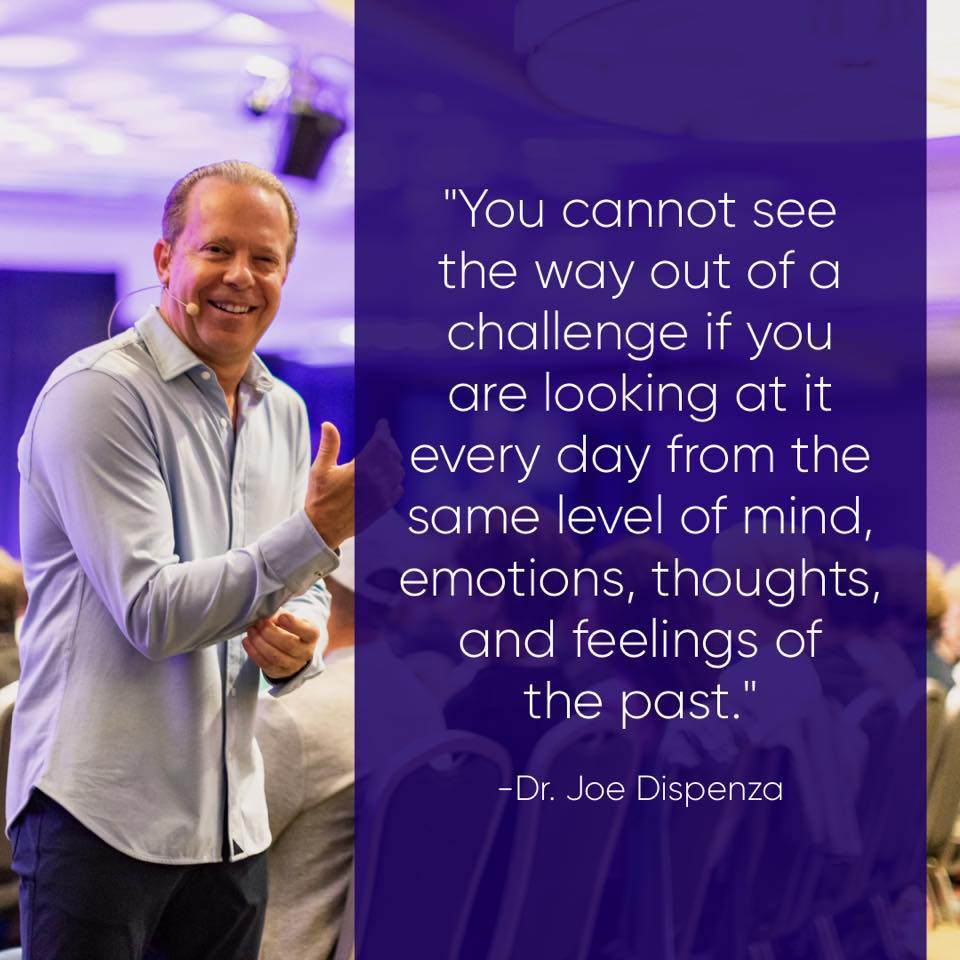
I’ll leave you with this quote from Joe Dispenza:
“You cannot see the way out of a challenge if you are looking at it every day from the same level of mind, emotions, thoughts, and feelings of the past.”
You can achieve far more than you believe when you focus more on what you want to create in this world.